Index Cards in the Archives of the Anglo-Norman Dictionary
Post 4, by Kara Joy McKenna (Archive Masters student at Aberystwyth University)
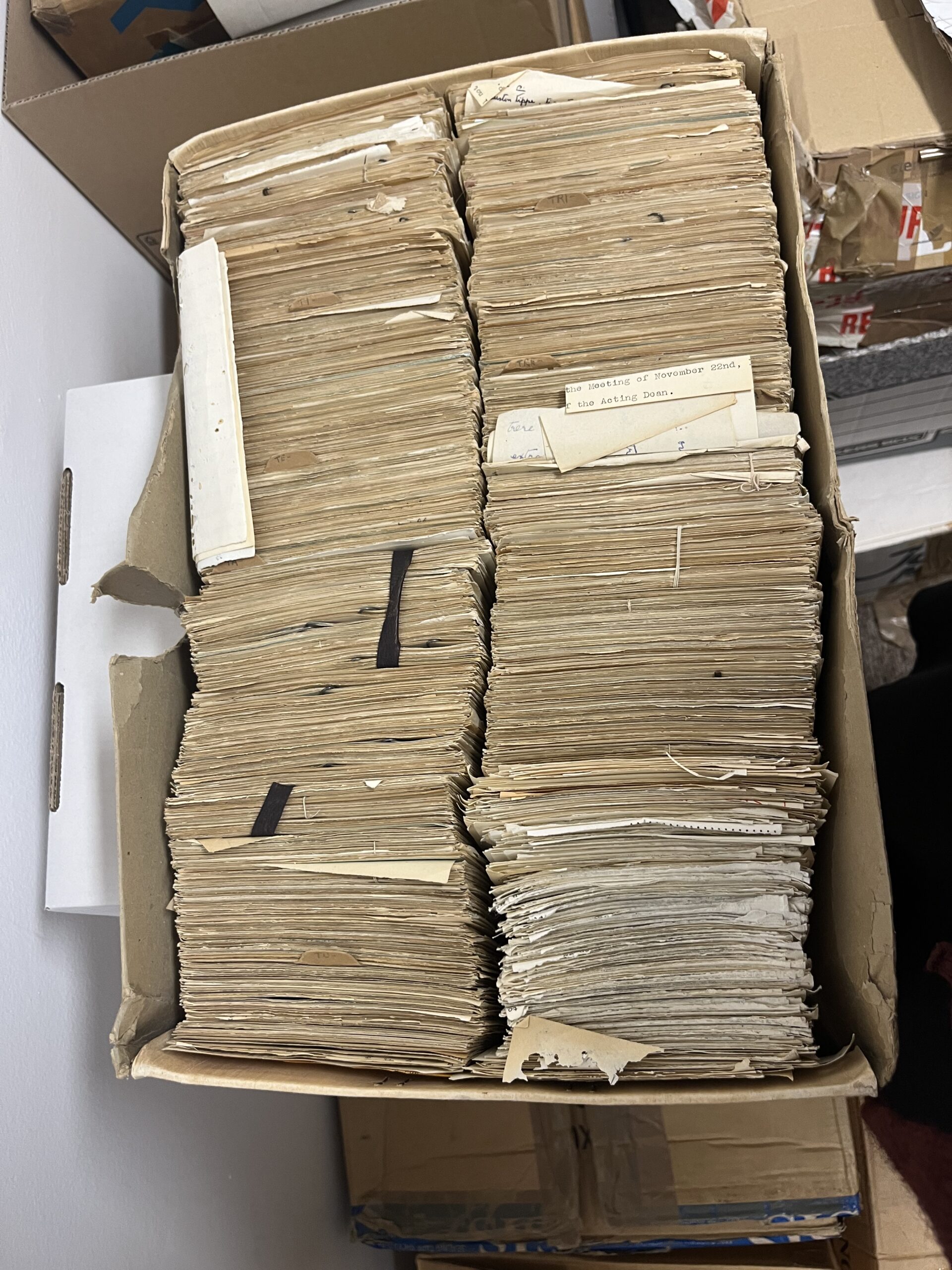 Figure 1- Example of Index Card box
The creation of a dictionary is no small undertaking. When we received the Anglo-Norman Dictionary files as part of our archival group project, we were originally quite overwhelmed by the amount of material that was present.
As we sorted through the material and identified the items which would come to form our archive, a number of materials was marked as unsuitable for inclusion within the archive and set aside to be returned to the Anglo-Norman Dictionary.
Among these was the collection of index cards and word lists, an example of one box is visible in Figure 1.These were compiled from various Anglo-Norman source texts, whose information had been used to construct the entries within the dictionary. The timeline of these items ranges from the original inception of the dictionary in the 1940s to the re-examination of the sources for the second edition of the dictionary.
Though these items have value as early drafts of the dictionary, the effort that would be required to place them within the historical context of the dictionary’s creation was beyond the scope of this archival project.
As the content of these index cards is represented in the final product of the dictionary present available both in the printed versions of the first Edition and the hybrid online and printed versions of the second edition, they were not included within the archive we finalised.
However, due to this recognised value, the team didn’t want them to go without mention within our overall project. This has led to the creation of this blog entry, which will outline how these index cards and word lists feature in the creation of the dictionary.
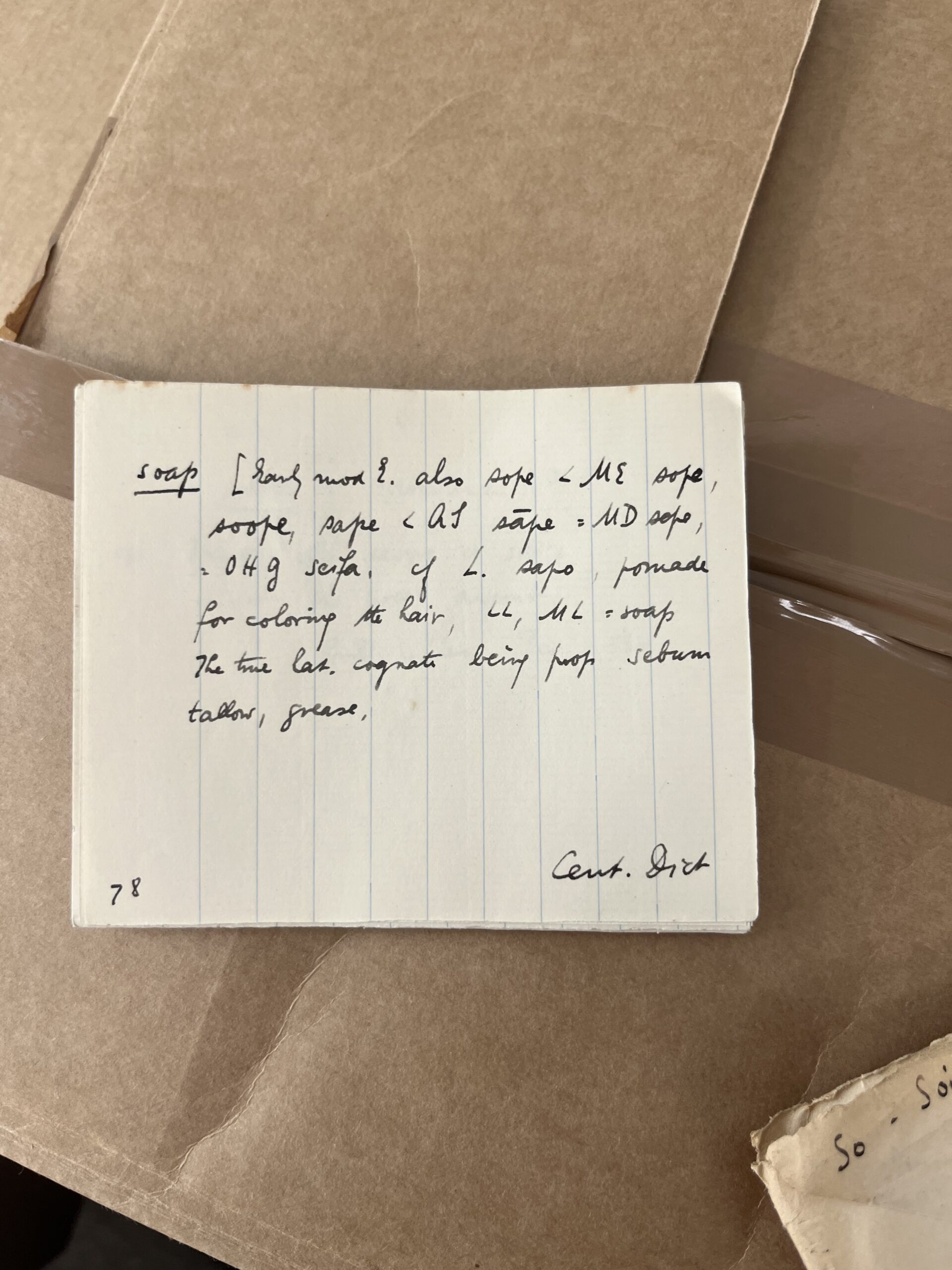 Figure 2- Index card example
As can be seen in Figure 2, this is an example of one of the many index cards that were present in the collection as it originally arrived to us. While some of the index cards were organised alphabetically, many were left loose in boxes with their related starting letter as their information had already been entered into the dictionary.
The typical structure of these index cards is the word itself, followed by information relating to the word with possibly an example of its use within the source text it was originally located within. Some other cards, such as this example, also contains alternate spellings, alternate forms and the words definition.
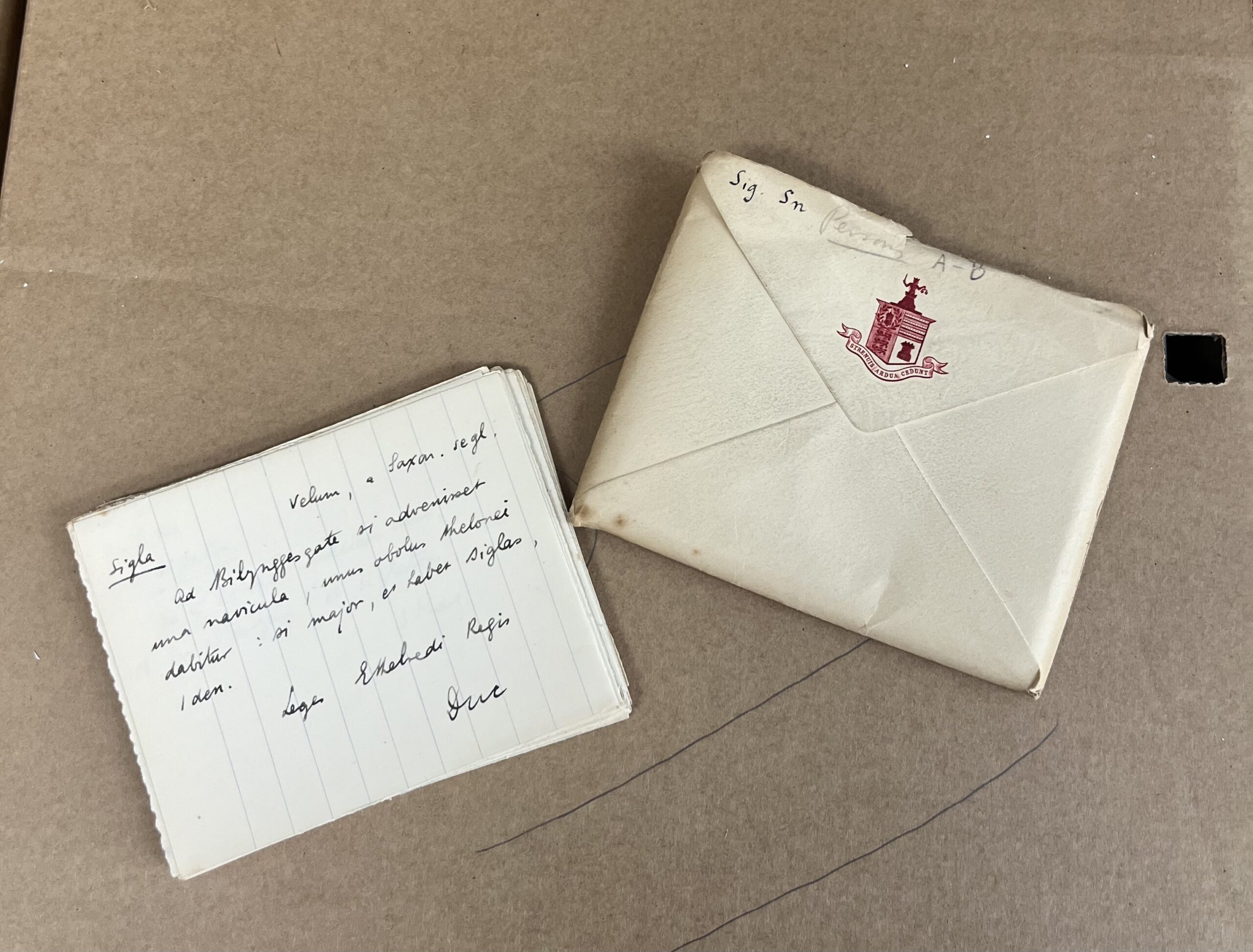 Figure 3- Index card with Envelope
As the history of this dictionary spans before the use of digital technology, we have example of how these index cards were collated by the various academics that contributed to the dictionary in Figure 3. Some cards are still within the original envelopes that were sent for review by the scholars who created them.
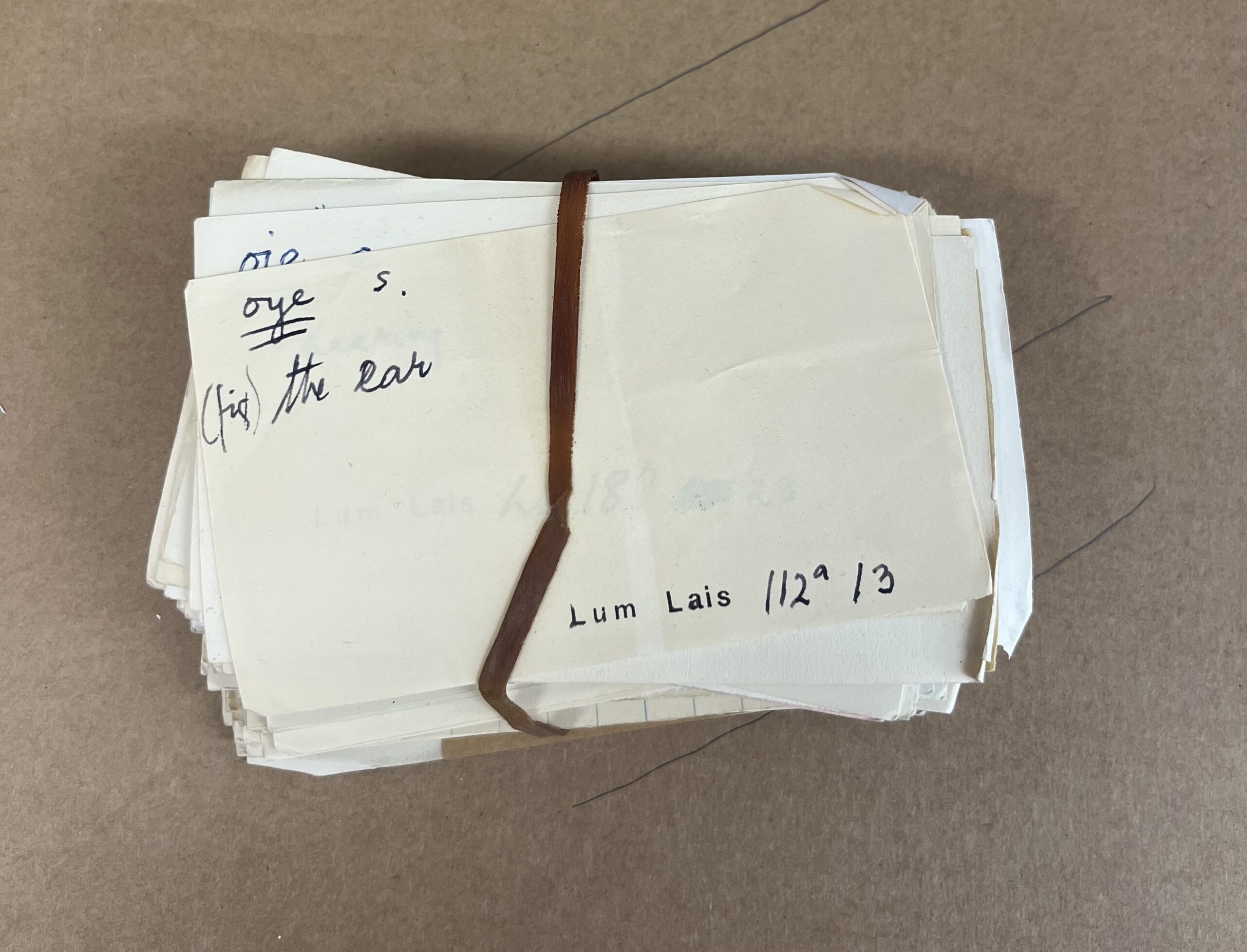 Figure 4- Index Card with little information
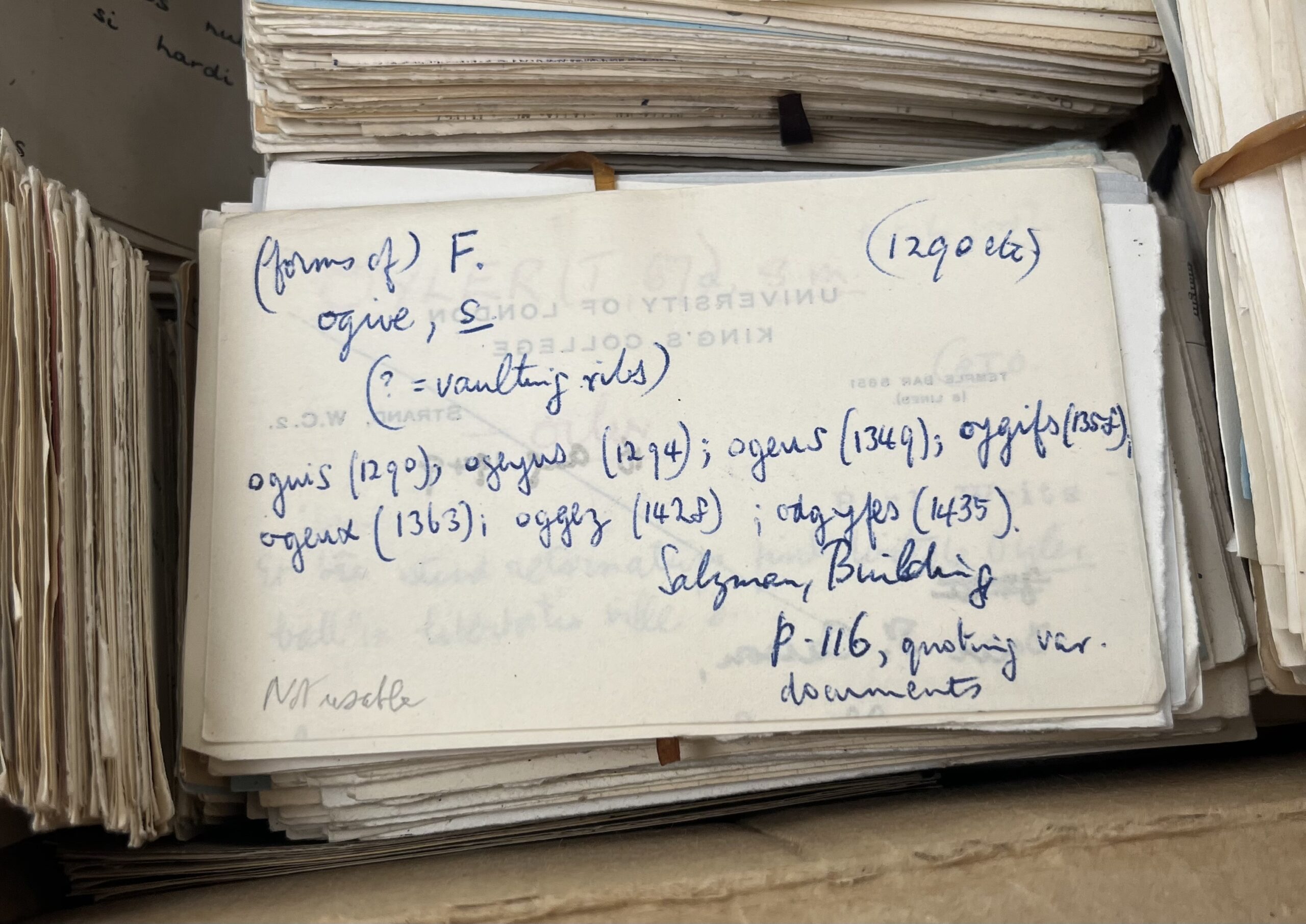 Figure 5- Index card with alternate spellings
Due to the number of people working on the dictionary through the years and the different edits made to the dictionary, the index cards have a varying amount of information on them as seen in Figures 4 and 5.
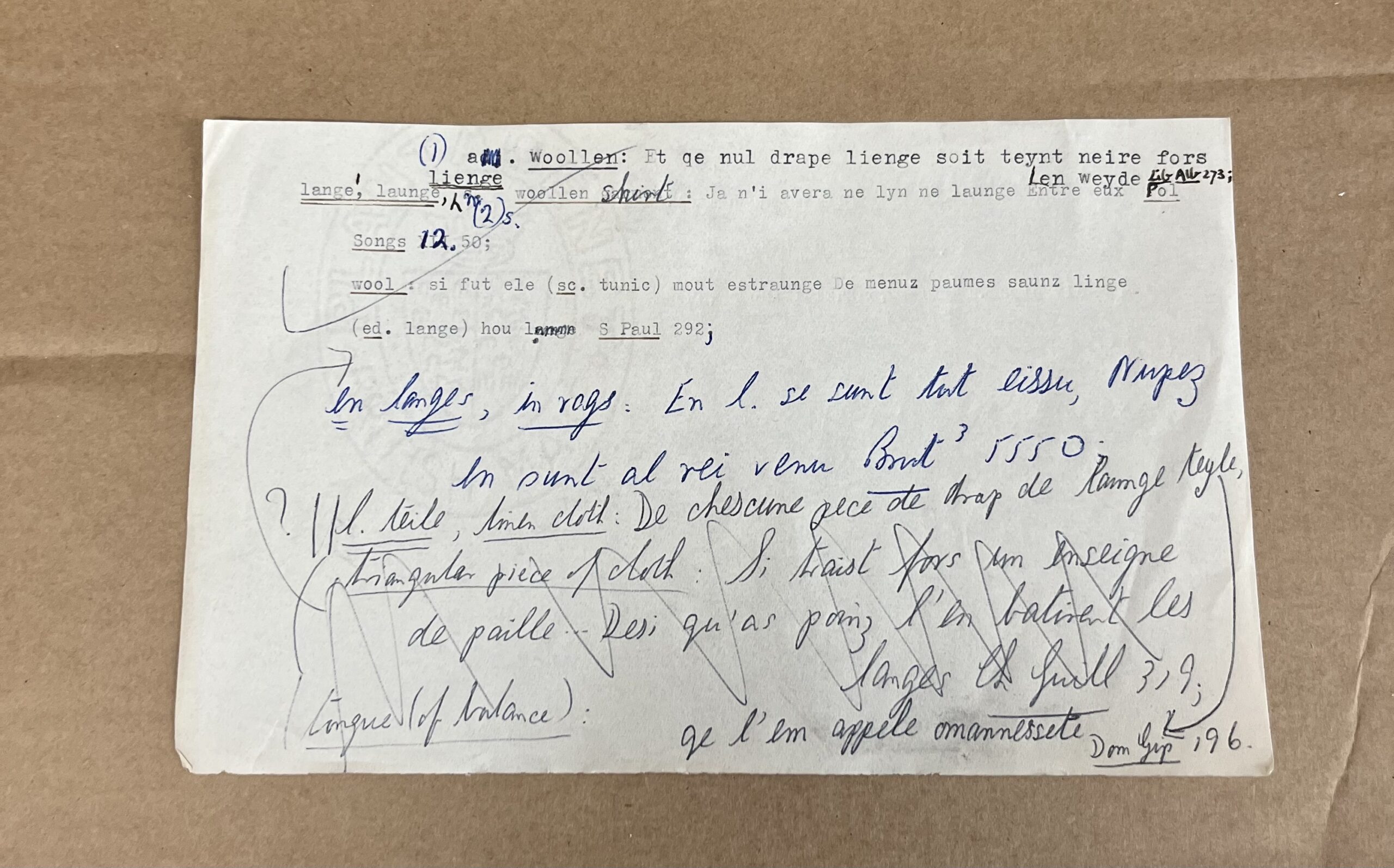 Figure 6- Word entry with annotations
The index cards were also not static records. Many were revised overtime by other academics working on the project, who included additional notes and edits as new information was collated from different sources such as in Figure 6.
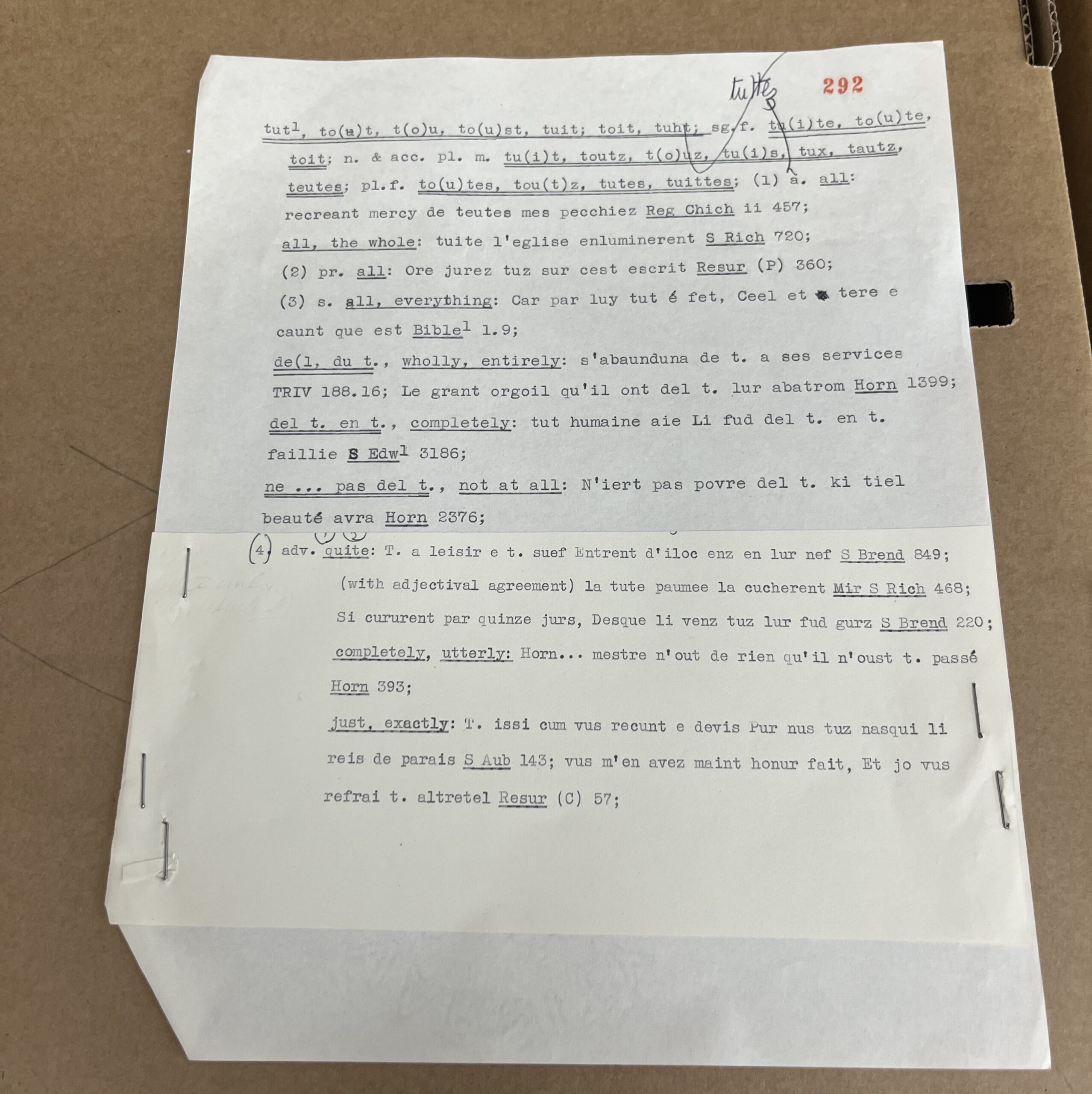 Figure 7- Typewritten dictionary draft page
The length and detail of the entries that the index cards contributed to lengthened greatly as more source materials became available to those working on Anglo-Norman dictionary towards the end of the first edition. This can be seen in drafts such as Figure 7.
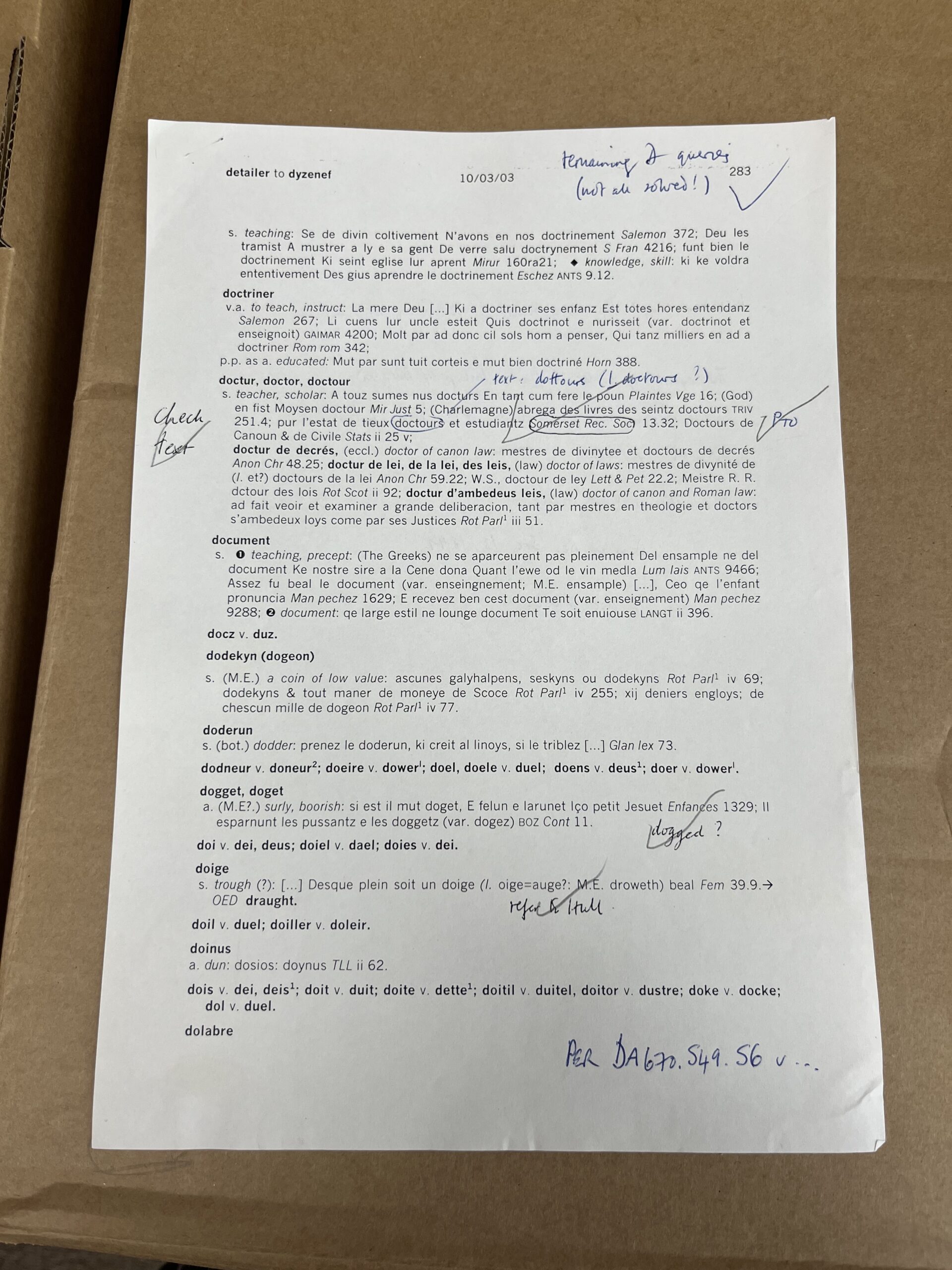 Figure 8- Second Edition Dictionary Draft page
The second edition had these entries lengthen further, especially in comparison to those within early stages of the first edition. However, the use of index cards as a way of storing the information from the source materials had greatly waned due to the advent of the personal computer.
In conclusion, the collation and organisation of these estimated over one million index cards is a visual representation of the high-level effort and care that went into the creation of the Anglo-Norman dictionary over several decades.